Know your real limits
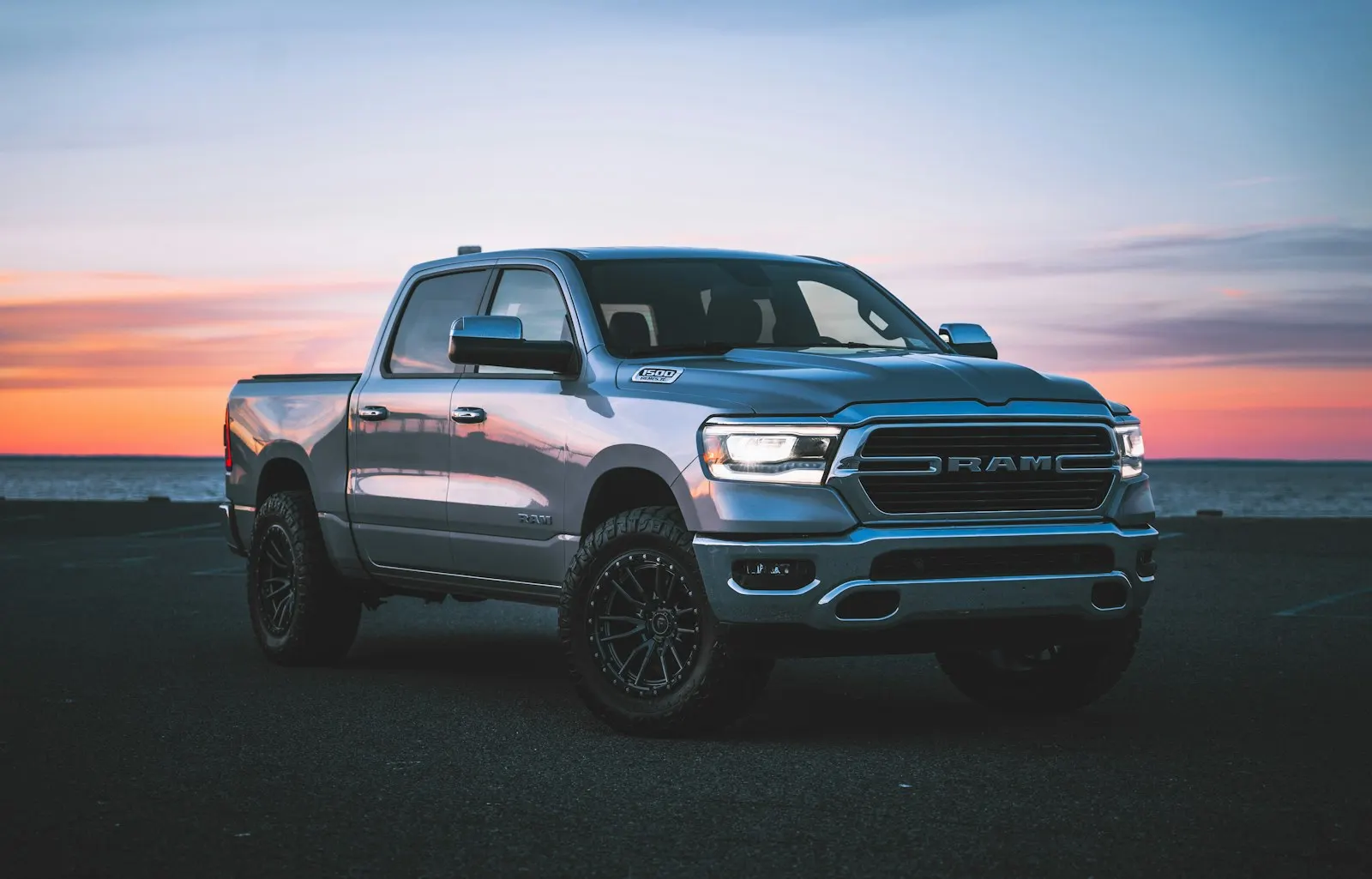
Your owner's manual lists a maximum towing capacity, and usually a maximum tongue weight and a gross combined weight rating. That combined rating covers the vehicle, passengers, cargo, trailer and boat together. A boat on a trailer, with fuel, gear and a cooler full of ice, often weighs more than people think.
Staying under the limit matters for more than the transmission, since brakes, tires, the hitch and the cooling system are all rated for a certain load. Also check whether your vehicle needs a factory tow package or an added transmission cooler to reach its full rating. Some vehicles have a lower rating without one.
Towing within the manufacturer's ratings and following the maintenance schedule should not void a factory warranty. Damage from towing beyond the limits or skipping maintenance may not be covered, so check your warranty booklet or ask the dealer.
Use tow or haul mode
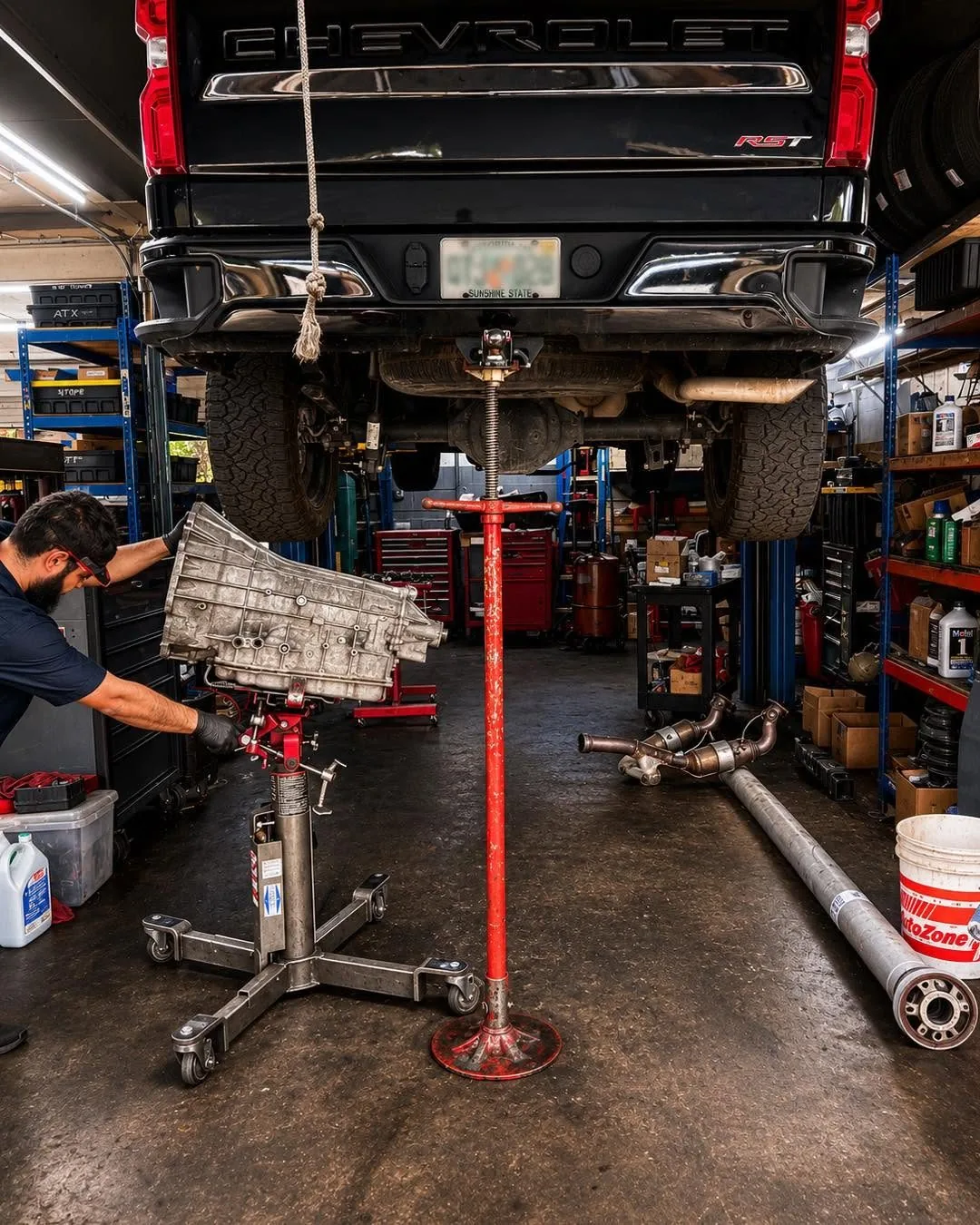
Many trucks and SUVs have a tow or haul mode. It changes shift timing so the transmission holds lower gears longer and does not keep hunting between gears. Hunting creates extra heat and wear. Keep it on for the slow ride home too, since long crawls in traffic with a heavy trailer are when fluid temperatures tend to climb the most.
If your vehicle has no tow mode, check the manual for advice on locking out the top gear when towing, especially if the transmission keeps shifting in and out of it. The goal either way is less shifting back and forth, because constant shifting builds heat.
Watch the temperature
If your vehicle shows transmission fluid temperature, keep an eye on it, especially in stop-and-go traffic and after pulling up a ramp. If it climbs higher than normal, ease off and give it time to settle. If your dash does not show that reading, a scan tool or an added gauge can. Heat is what breaks down fluid and wears clutches, so this one number tells you a lot.
An auxiliary transmission cooler is one of the most useful upgrades for anyone who tows often. Many factory tow packages include one, and for regular towing in Florida heat, an added cooler is often worth it.
Keep the radiator and the cooler clean, because bugs and debris block airflow. If you tow regularly, service the fluid on your manual's severe service schedule.
At the boat ramp
Ramps are where a lot of transmission and drivetrain damage happens. Pulling a heavy, wet boat up a slick ramp puts a big load on the transmission and torque converter at low speed, which is exactly when they make the most heat.
Pull out smoothly with steady throttle, without spinning the tires or rocking back and forth. If your vehicle has four-wheel drive with a low range, use it on steep or slick ramps, following your manual. Set the parking brake before shifting into Park, so the parking pawl inside the transmission is not holding the whole load.
After a hard pull, let the engine idle in Park for a minute or two before shutting it off, so fluid keeps flowing through the cooler. Going down the ramp, back in slowly with your foot ready on the brake, and never shift between Drive and Reverse while the truck is still rolling. After launching in salt water, rinse the underside of the truck and trailer.
When to stop, and signs of damage
If you smell burning fluid, see a temperature warning, or feel the transmission start to slip or shift late, pull over when it is safe and let it cool with the engine idling in Park. Pushing on risks burning the clutches and damaging the torque converter far from home.
Signs that towing has already done damage include slipping or flaring RPMs under load, late or harsh shifts after a trip, dark fluid that smells burnt, a shudder at steady speeds, and a transmission overheat code or warning.
If you notice any of these, get a diagnosis before your next trip. Catching heat damage early can mean a fluid service and a cooler, while waiting can mean a rebuild. After a busy boating season, have the fluid checked, since a hot summer of launches and long drives can wear it out sooner than the normal schedule says.
Getting the truck ready for boat season
If you tow heavy or often, a heavy-duty towing upgrade can help the transmission handle the load, with stronger internal parts or added cooling depending on the vehicle. We also service transfer cases and differentials, which work hard on ramps too. The right setup depends on your vehicle and how you use it, so it starts with an honest conversation about what you tow and how often.
At GO TIME Auto Repair in Plantation, getting ready for boat season starts with the fluid, the cooler and a scan of the transmission computer. If something needs work, you get a written price with photos before anything starts, and sales tax is on parts only. You pick the warranty length: 90 days, 1 year or 2 years. You get a text at each step.