
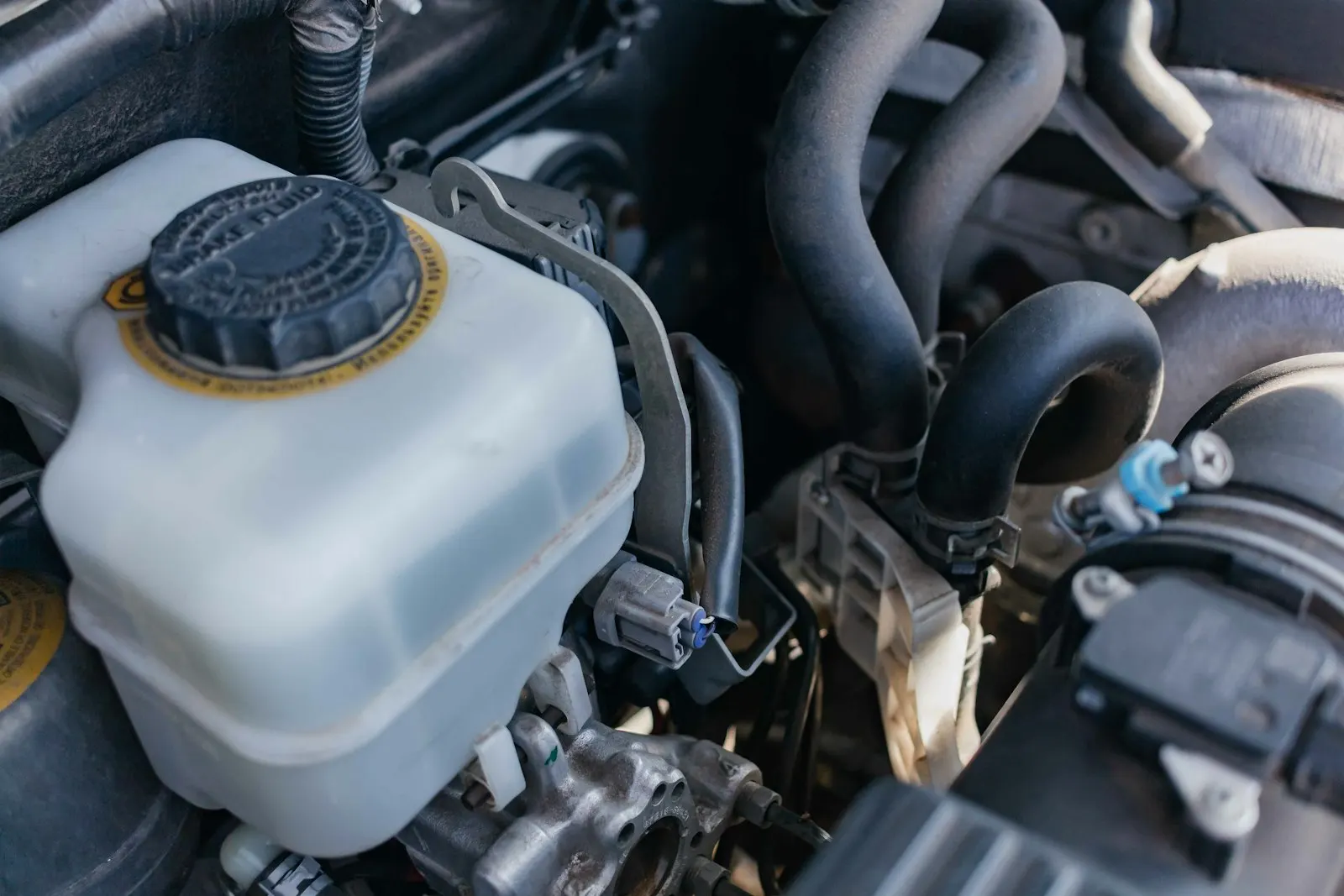
Cooling system repair in Miami Gardens
An engine that stays in the middle of the gauge with the AC on at a dead stop in July. We pressure test the whole system, find the leak or the weak part, and fix it before it strands you. Overheating is the fastest way to ruin an engine, and it is almost always preventable.
Cooling system
- Pressure test the system and the radiator cap to find leaks you cannot see
- Replace thermostats, hoses, clamps and the expansion tank
- Replace water pumps that are weeping or have a noisy bearing
- Test the electric cooling fans, relays and the temperature sensor
- Flush old coolant and refill with the right type and color for your car
- Check for a head gasket leak with a combustion gas test when the symptoms point there
- Bleed the air out properly so the heater works and the gauge reads true
Signs you need this
- The temperature gauge climbs in traffic and drops on the highway
- A sweet smell after driving or a green, pink or orange puddle
- The coolant level keeps dropping
- Steam from under the hood
- The heater blows cold while the engine is hot
- White smoke from the exhaust
The pressure test comes first so we know exactly what leaks. Then the repair goes on paper, with tax charged on parts and coolant only. You decide on a 90 day, 1 year or 2 year warranty for the repair, and the quote reflects that choice.
Questions people ask
Can I keep driving if it only overheats in traffic?
Can I just add water?
What kind of coolant does my car take?
How often should coolant be changed?
How do I know if it is the head gasket?
Related
Radiator repair
A radiator that holds pressure and pulls heat out of the engine even when the fans are working their hardest.
Learn moreAC repair
Cold air at the vents, even at a red light on NW 2nd Ave in August.
Learn moreTiming belt
Replace the belt on schedule and you never find out what happens when it breaks.
Learn moreCar diagnostics
You describe what the car is doing, we find out why.
Learn more