Most extended warranties are service contracts
If your transmission fails and you have an extended warranty, that contract could cover a large part of the repair. Most extended warranties are really vehicle service contracts, sold by dealers or third-party companies, and each one has its own terms. This is how claims usually work, but your contract is the final word.
Start with the factory warranty. If the vehicle is still inside the manufacturer's powertrain warranty, go to a dealer for that brand, since factory warranty repairs are usually handled there. Once that coverage ends, a service contract is typically used at a repair shop you choose. Many contracts allow any licensed repair shop, but some require specific shops or prior approval, so check yours.
Look at your coverage level too. Many contracts cover the transmission as part of the powertrain, but some cover only the parts they list by name. The contract spells out what is covered, what is excluded, your deductible and the steps you must follow to file a claim.
How a transmission claim usually works
Stop driving if the transmission is slipping or not engaging, since contracts usually expect you to prevent further damage. Bring the vehicle in with your contract details, including the company name and the contract number.
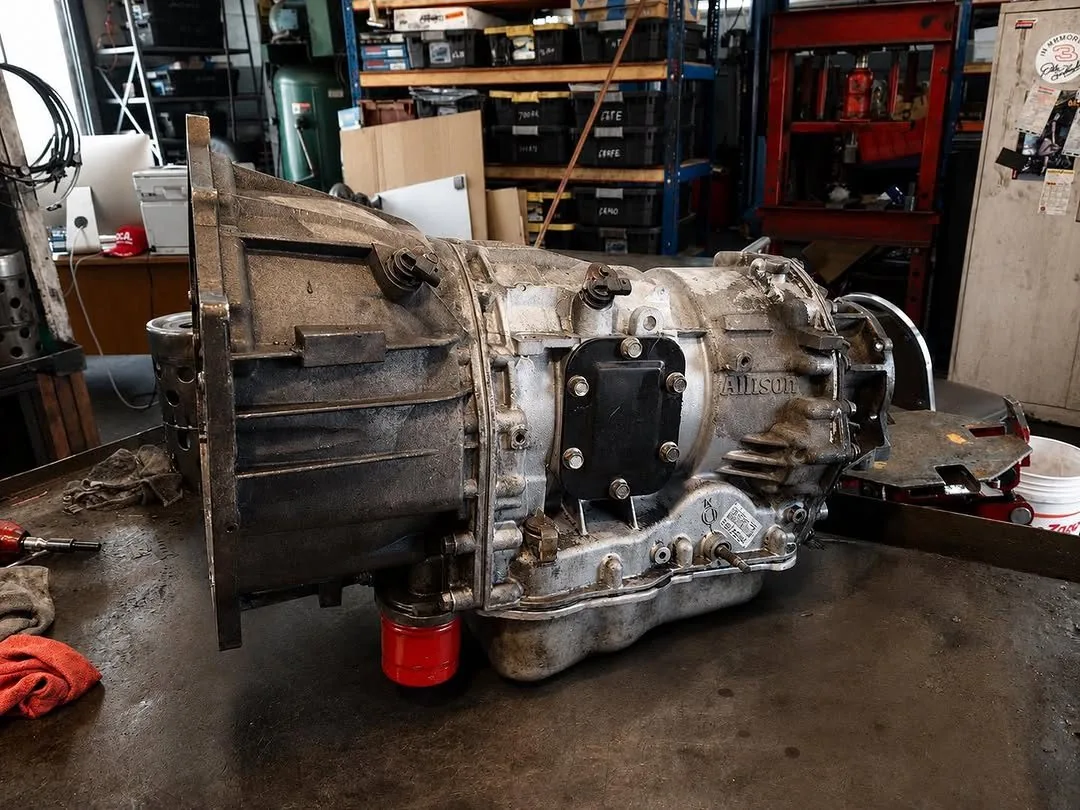
The shop diagnoses the problem, and some claims need a partial teardown to show which part failed. The shop sends the diagnosis and the estimate to the warranty company before doing the repair. The company may send an inspector or adjuster to look at the vehicle, then approves the claim, approves part of it, or denies it. Once it is approved, the repair is done, and you pay your deductible and anything that is not covered.
The key rule is simple: do not start repairs until the claim is authorized, because work done before approval is often not covered. Be ready to share the vehicle's mileage, VIN and maintenance history on the first call.
If your contract is close to expiring and the transmission is starting to act up, do not wait. Get it diagnosed while the coverage is still active.
Why claims get denied
Missing maintenance records are a common reason, since many contracts ask for proof of fluid and oil services. Other common reasons are a pre-existing condition, meaning the problem started before the contract did, or a failure caused by lack of maintenance, overheating, towing beyond the limits or modifications. Some contracts also exclude certain seals, gaskets and wear items, so read the fine print.
Keep every receipt for transmission fluid services, oil changes and repairs. A folder in the glove box or photos on your phone can make a real difference when a claim comes up. If you bought the vehicle used and the contract came with it, ask the seller or dealer for any service records they have.
If a claim is denied, ask the company for the reason in writing and compare it to your contract. If you have maintenance records or other proof that answers that reason, ask them to review it again. Then decide whether to repair the vehicle at your own cost.
Ask about teardown costs first
Some claims need the transmission partly taken apart to prove what failed. If the claim is then denied, the vehicle owner is often responsible for the diagnostic and teardown costs.
Ask how this works on your claim before you approve the teardown. With us, the diagnosis and any teardown go on a written price you approve before we start, so you know what you would owe if the answer is no.
What the contract pays for, and what you pay
Service contracts often decide what kind of unit they will pay for. Some approve a rebuild, others a remanufactured or used unit, based on cost and availability. Labor is usually paid using a standard labor time for the job. If you want an upgrade the contract does not cover, you can often pay the difference.
Before you approve the repair, make sure you understand what you will owe. That includes the deductible, any parts or labor the contract does not cover, and any diagnostic or teardown charges if part of the claim is denied.
Claims also take time, and waiting for an adjuster or for approval on a large repair can add days. Some contracts cover a rental car and some do not, so ask your contract company early.
How we help with the claim
At GO TIME Auto Repair in Plantation, we help with the claim, from the diagnosis and estimate to the paperwork and the calls with the warranty company. If they send an adjuster to inspect the vehicle, we work with the adjuster at the shop.
We cannot promise a claim will be approved. That decision belongs to the warranty company and depends on your contract. Once a claim is approved, we bill the warranty company directly for what it covers, and you pay the deductible and anything the contract does not cover.
You see that split on a written price, with photos, before any work starts, and sales tax is on parts only. The repair carries our own warranty too, and you pick the length: 90 days, 1 year or 2 years. You get a text at each step, from checked in to ready.