
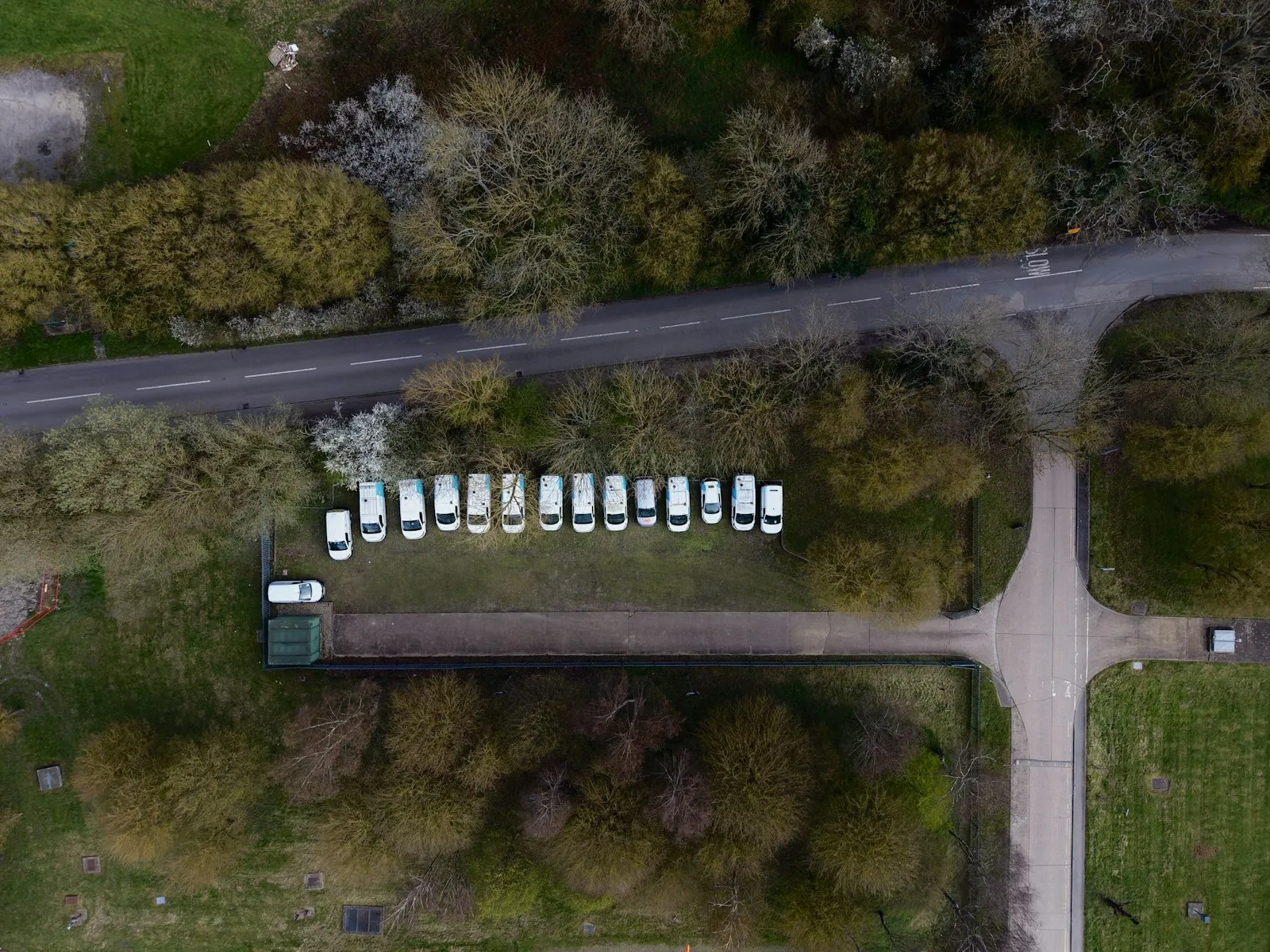
Downtime is the real cost
A repair bill is easy to see. Downtime is harder to see and often costs more: a missed route, overtime for another driver, a rental truck, a late delivery, and a customer who starts looking elsewhere.
Most unplanned downtime starts as something small that got missed. A tire with a slow leak. A battery that was weak last week. A brake that has been noisy for a month. A warning light everyone got used to.
The goal of fleet maintenance is simple: move repairs from the side of the road into a scheduled slot at the shop, where they are faster, cheaper, and planned around your work instead of in the middle of it.
Track downtime per unit, not just repair dollars. A vehicle that is cheap to fix but lands in the shop every month is costing you more than the invoices show.
Build the schedule around how each unit works
Service by miles for vehicles that run routes. Service by engine hours for vehicles that idle a lot, like service trucks, box trucks with liftgates, and anything that sits running on a job site. Idling wears the engine without adding miles, so a mileage-only schedule undercounts it.
Group units by type and duty. A delivery van in city traffic belongs on the severe schedule. A pickup that mostly runs the highway can often follow the normal one. The owner's manual for each vehicle tells you the difference.
Put every unit on a calendar. Rotating one or two units through the shop each week keeps the whole fleet current without taking out half your capacity at once.
Tires deserve their own line on the schedule. Check pressure weekly on route vehicles, rotate on a set interval, and watch for uneven wear that points to alignment. In Miami heat, underinflated tires on loaded vans wear fast and fail more often.
Drivers are your first inspectors
Drivers see and hear problems first. Give them a simple daily check: lights, tires, leaks, brakes, warning lights, and anything that feels or sounds different from yesterday.
For commercial motor vehicles under federal rules, drivers must prepare a written report at the end of the workday when they find or are told about a defect. The carrier must fix the defect or certify a repair was not needed before the vehicle runs again. Even for vans and pickups below those thresholds, the same habit saves money.
Make reporting easy, and never punish it. A driver who reports a soft brake pedal on Tuesday saves you a tow and a missed day on Friday.
Give drivers a way to report that fits how they work: a paper form in the cab, a text to one number, or a simple form on their phone. The format matters less than the rule that every defect gets written down and one person owns getting it fixed.
Records you can actually use
Keep one record per unit: VIN, unit number, mileage or hours, every service, every repair, every inspection, and the parts used. For commercial motor vehicles, federal rules require maintenance records to be kept where the vehicle is housed or maintained, for one year and for six months after the vehicle leaves your control.
Good records also show you patterns. If one unit goes through brakes much faster than the others doing the same work, that is a driver, a route, or a mechanical problem worth solving.
Ask your shop to put the unit number and mileage on every invoice. That way the records build themselves, and you are not digging through a glove box when you need them.
Mixed fleets: gas, diesel, hybrid, and EV
Many fleets now run a mix, and each type has its own schedule. Diesels need fuel filter changes, and their emissions systems, including the diesel particulate filter and diesel exhaust fluid system, need attention, especially on units that idle a lot or run short trips.
Hybrids and EVs save on oil changes and brake wear, but tires, alignment, cooling systems, cabin filters, and the low voltage battery still need a schedule. Electric vans are heavy, so tires and suspension deserve extra attention.
Batteries need a note in our climate. Heat shortens battery life, and vans that sit over a long weekend can greet you with several no-starts on Monday morning. Test batteries at every service, not only when one fails.
One shop that works on all of them means one relationship, one set of records, and one phone call when something goes wrong.
Plan for the bad day
Even a well maintained fleet has breakdowns. Decide ahead of time who the driver calls, which tow service you use, and where the unit goes. Every minute spent figuring that out on the side of the road is a minute the load is late.
Keep a spare unit or a rental plan for your busiest weeks. Stock the small items that ground a vehicle, like wiper blades, bulbs, and fuses, where the drivers can get to them.
After every roadside failure, ask one question: could we have caught this earlier? If the answer is yes, change the daily check or the schedule so it gets caught next time.
Working with one shop
Pick a shop that can handle your whole mix, gives written estimates, and calls before adding work. Agree up front on an approval limit, who is allowed to approve repairs, and how you want to be contacted.
Ask about planned drop-off times and how they handle a unit that breaks down on the road. Ask for a list of what is coming due each month so you can plan around it.
We service cars, trucks and diesel, hybrids, and EVs, and we do DOT annual inspections and body and collision work too. We will build a schedule around your units and let you know what is due before it becomes a problem.