
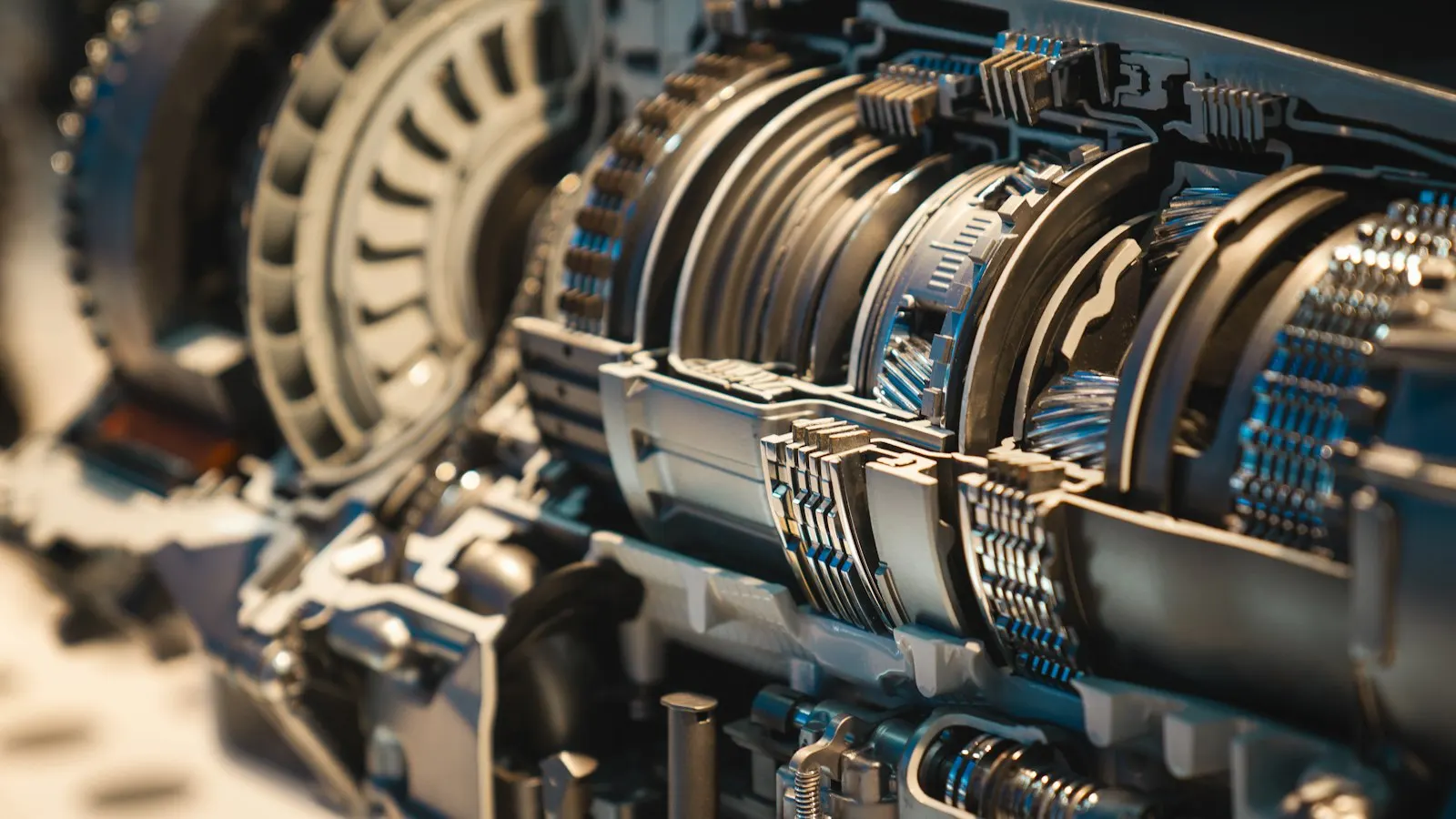
What delayed engagement feels like
You shift into Drive or Reverse, and nothing happens for a second or two. Then the car catches, sometimes with a clunk. This is called delayed engagement, and it is often one of the earliest signs that something is changing inside an automatic transmission.
A very brief pause can be normal on some vehicles, especially when cold. A delay longer than a second or two, one that is getting worse, or one that ends with a hard clunk is not normal and deserves a look.
It shows up in a few ways. The delay may be worse first thing in the morning and better once warm, or worse when the car is hot after a long drive. It may happen only in Reverse, only in Drive, or in both.
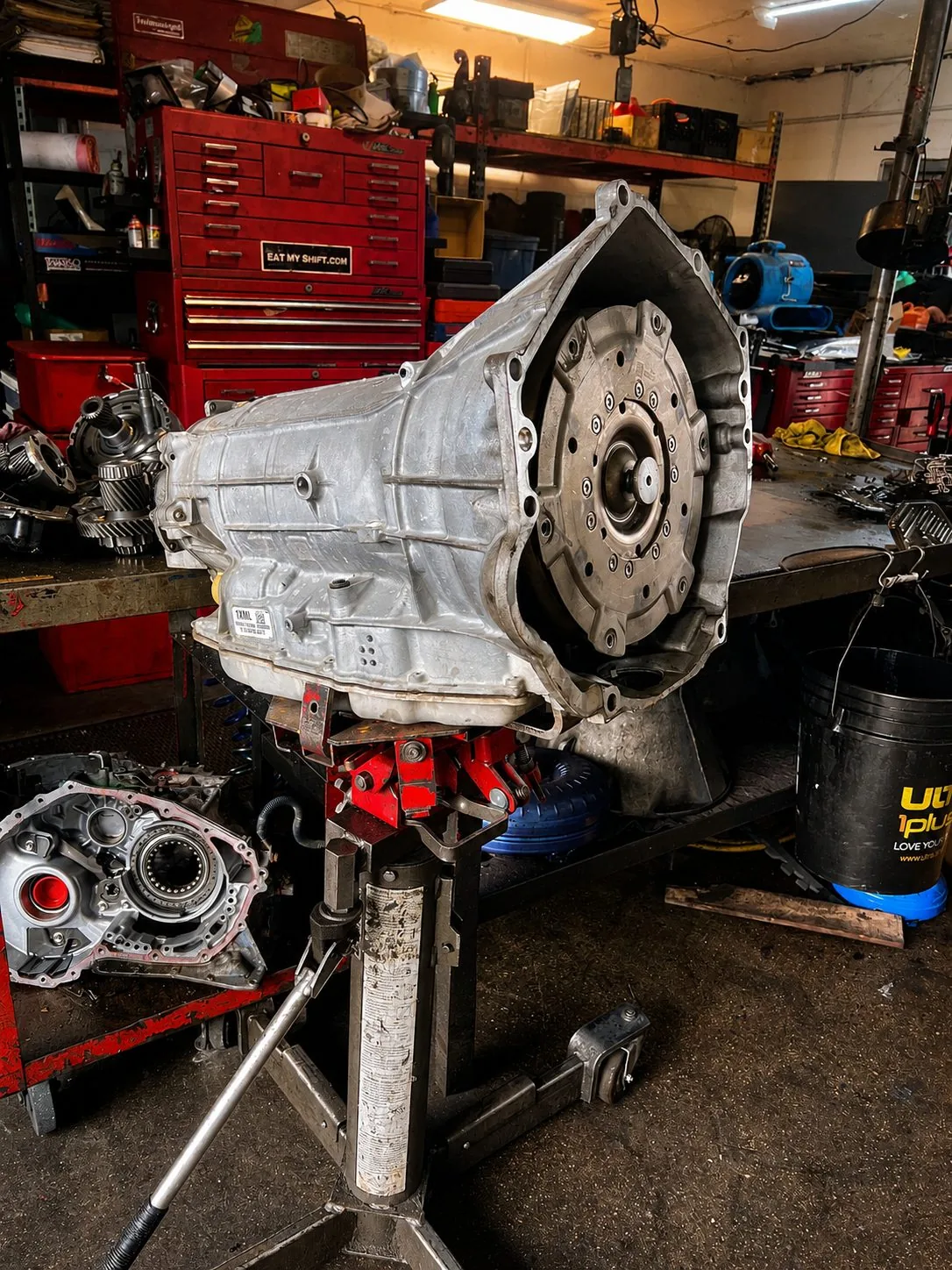
Clues worth writing down
When the delay happens is a useful clue. Tell your technician whether it is worse cold or hot, and whether it affects Drive, Reverse or both.
It also helps to time it. Count how long it takes from moving the shifter to feeling the car engage, once cold in the morning and once after a drive, and notice whether it is getting longer over a few weeks.
Fluid problems: the simplest causes
When you shift into gear, the transmission uses fluid pressure to fill and apply a clutch. If the fluid level is low, it takes longer to build that pressure. Low fluid means a leak somewhere, so the leak needs to be found and fixed, not just topped off.
Old fluid and a partly clogged filter can also slow down how quickly pressure builds, and the wrong type of fluid can change how the transmission engages. A fluid and filter service with the correct fluid may help if the problem is caught early. It will not fix worn parts, which is why a diagnosis should come before you pay for a service.
Worn seals, clutches or pump
Rubber seals inside the transmission hold pressure on the clutch pistons. As they age, they can harden and leak pressure, especially when cold. A delay that is bad on a cool morning and mostly goes away once the transmission warms up often points to seals.
As clutch packs wear, the gap between the plates grows and it takes longer to apply them. A worn fluid pump can also struggle to build pressure.
Reverse is applied by its own clutch or band and its own fluid circuit. So a delay only in Reverse often points to wear or a pressure leak in the parts that apply Reverse, while a delay only in Drive points to the forward side.
Valve body, computer, and what is not the transmission
A sticking valve, a failing pressure control solenoid or another valve body problem can slow engagement. Many modern transmissions also learn and adjust how they apply each clutch. After a battery disconnect or a repair, some vehicles need a relearn procedure before they engage smoothly again.
Not every clunk is the transmission. Worn engine or transmission mounts can let the drivetrain move and bang when it engages, and an engine that idles too high can make engagement feel harsh. That is why a good diagnosis includes a look at the mounts and a check of idle speed.
When to stop driving, and habits that help
If the car will not move at all in Drive or Reverse, the delay keeps getting longer, or it slips after it engages, park it and have it checked. If it will not move, have it towed. Revving the engine to force it into gear can burn clutches and turn a repair into a rebuild.
Day to day, come to a complete stop before shifting between Drive and Reverse. Keep your foot on the brake while shifting, and do not press the gas until the car engages. If the engine idles high right after a cold start, give it a few seconds to settle before shifting into gear.
Fix leaks early and keep the fluid at the correct level. Service the fluid on schedule, and if you drive in heavy traffic or heat, like most of Broward, use the severe schedule.
Is it a simple fix? How we find out
Sometimes it is. Topping off fluid and fixing a leak, a fluid and filter service, a solenoid, a software update or a relearn can all be fairly simple. Delays caused by worn seals, clutches or the pump usually need internal repair or a rebuild. If the delay is mild and has not changed in a long time, it may be something to keep an eye on rather than fix right away.
At GO TIME Auto Repair in Plantation, we find out with a diagnosis: a fluid check, a computer scan, a look at the mounts and idle, and a road test. You approve the diagnostic fee first. If a smaller fix is likely to solve it, that is what we recommend first.
You get a written price with photos before any work starts, and nothing is added without your yes. Sales tax is on parts only, and you pick the warranty length: 90 days, 1 year or 2 years. You get a text at each step, from checked in to ready.